
Since 2020, we have managed infrastructure for several clients: the systems their teams depend on to do their work, rather than the products those teams ship.
For one client, we moved source control and remote access off on-site servers and into the cloud, using Amazon AWS. Their repositories and the network access around them had depended on hardware sitting in one building. Afterwards, staff reached the same systems over a VPN from wherever they were working, without that dependency.
For another, we built custom continuous integration servers that produce their product builds and handle releases, including uploads to Steam. The build machine is bespoke hardware on the client’s own premises, running scripting written for their particular release process. We specified and configured it remotely, working on a machine we could not physically reach.
Both became part of their clients’ critical infrastructure. If either stopped, the work that depends on it would stop too. We continued to support both, and that ongoing maintenance is the larger part of this engagement: keeping systems dependable over years, rather than handing over a project and moving on.
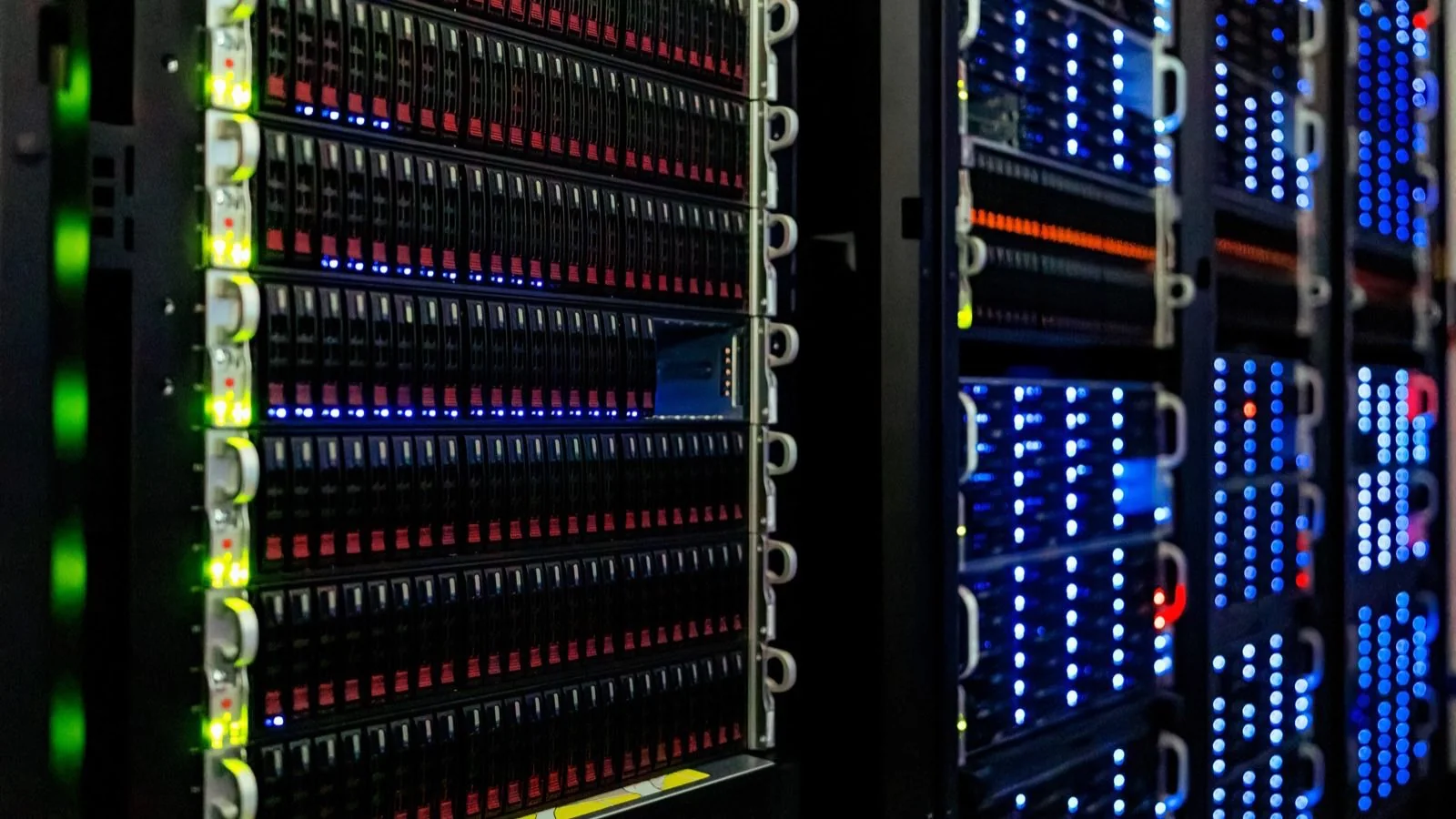
Image: NOIRLab HQ Server Racks by NOIRLab/NSF/AURA/T. Slovinský, used under CC BY 4.0 and cropped to 16:9. It illustrates server infrastructure in general and does not depict any client system.
.jpg)